Wednesday, January 20, 2016
Tuesday, January 19, 2016
Photo Composition 1: Rules of Thirds
Introduction
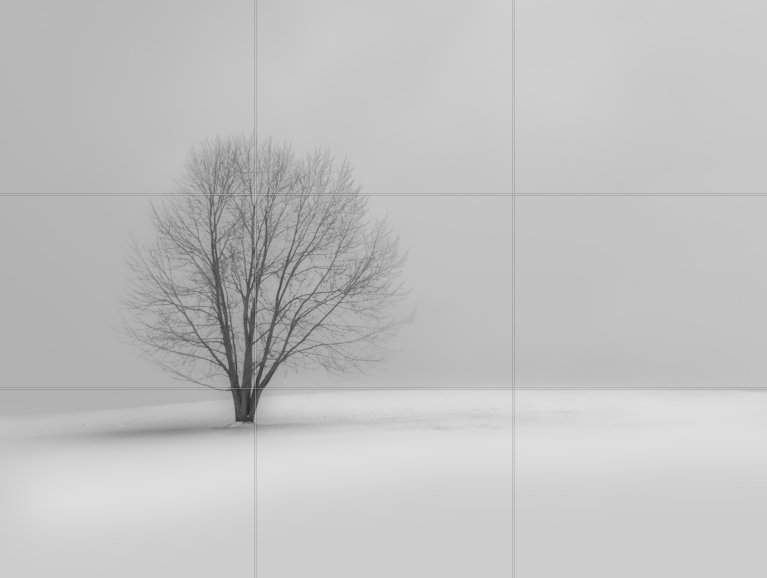
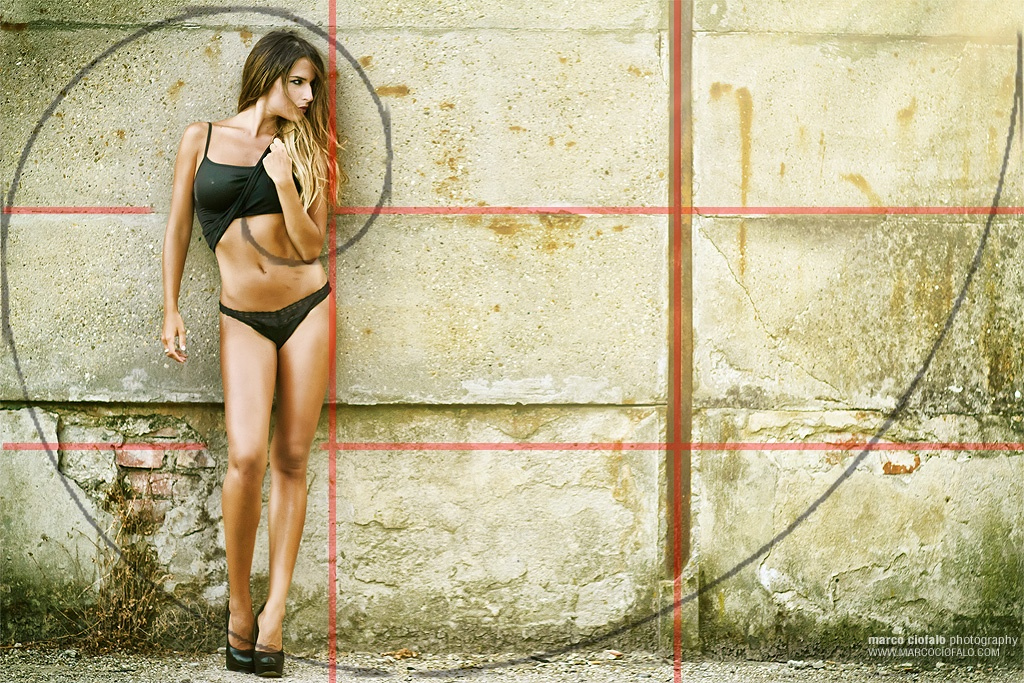
The rule of thirds tell that an image can be most pleasing and beautiful when its subjects or regions are composed along imaginary lines which divide the image into thirds — both vertically and horizontally.
The rule of thirds was first mentioned by John Thomas Smith in 1797.
This law indicates splitting an image into nine equal parts. First, you draw two lines vertically making three evenly-spaced sections. Then draw two more lines horizontally in the same way. You now have nine equal-sized squares. The subjects should be placed where any two lines cross to create most visually appealing photo.
The rule of thirds often provides a sense of balance - It does not make the image appear too static and it does not make the image look to busy.

 .
.
The rule of thirds often provides a sense of balance - It does not make the image appear too static and it does not make the image look to busy.
Why it works
If the subject is in the middle of the image, it will be considered as static. Viewer’s eye is drawn to it then has nowhere to go from there because the object is equally distant from all sides. So when the subject is placed closer to one of the edges, it forces viewer’s eye to follow it … to find it. This forces the viewer to stay on your image longer. It ensures for a more captivating photo because it is interactive. Like a conversation going on between the photo and viewer.
Breaking the rule of thirds
Al rules are bound to be broken sooner or later — and this one is no exception.
A central notion of the rule of thirds is that it's not ideal to place a subject in the center of a photograph. But what if someone wanted to emphasize the subject's symmetry?
If the balance is what you are trying to express, then placing at the center of the subject may be just the way to go.

Subscribe to:
Posts (Atom)


